
The Dallas-Fort Worth (DFW) metroplex has long been a focal point for real estate investors and homebuyers alike, driven by its robust economy, influx of businesses, and relatively affordable cost of living. However, as we step into 2026, investors are questioning whether the housing inventory is reaching an alarming level. The following analysis delves into the complexities of the DFW housing market, offering insights for investors on market context, core problem analysis, investment pitfalls, and actionable strategies.
Market Context in 2026

As of 2026, macroeconomic indicators in the United States are shaped by continued Federal Reserve interventions aimed at curbing inflation, currently stabilized at 3.5%. Interest rates hover around 5%, following a series of adjustments to ensure economic stability. The S&P 500 and NASDAQ have demonstrated volatility, with emerging AI tech stocks fueling growth. In real estate, nationwide housing prices have plateaued, yet DFW experiences unique pressures due to persistent demand and limited supply. Cryptocurrency markets remain volatile but institutional interest in Bitcoin ETFs supports steady inflows.
Core Analysis of DFW Housing Inventory

The DFW housing market exhibits a confluence of high demand with insufficient supply, primarily driven by population growth and job market expansion. While new housing starts have increased, regulatory constraints and material costs have hindered supply growth. With investor focus diverted towards real estate, especially rental properties, we notice elevated valuation metrics such as price-to-rent ratios. The operational dynamics of DFW’s market, influenced by interest rate sensitivity, significantly impact liquidity and investment yields.
Common Investor Mistakes

In real estate, investors often succumb to market FOMO, buying at peak prices or over-leveraging without anticipating interest rate corrections. Misjudging market cycles leads many to confuse investment and speculation, ignoring fundamentals such as cash flow and yield. These mistakes are magnified in multifaceted markets like DFW, where timing and strategy are critical.
Case Study: Successful vs. Failed Investors
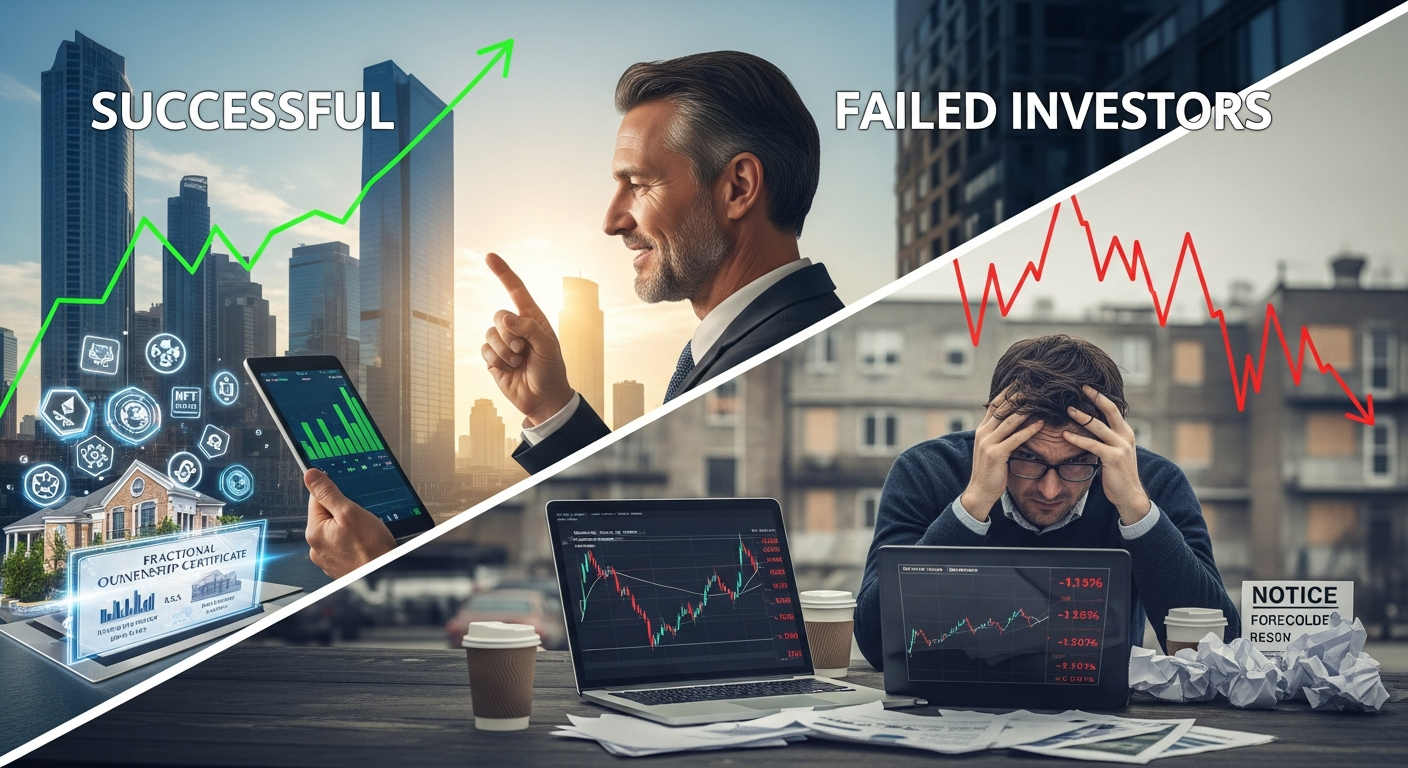
Consider a first-time homebuyer in DFW who leveraged AI-driven analytics to time their purchase in a buyer’s market, reaping long-term equity gains. Conversely, a crypto-trader mistaking volatility for opportunity suffered losses by buying into hype without a diversified approach. The distinction in outcomes underscores the importance of informed decision-making.
Latest Updates in 2026

Recent advancements in PropTech, driven by AI, have revolutionized investment strategies, while the Federal Reserve’s policy adjustments continue to impact mortgage rates. Notable crypto regulations have stabilized Bitcoin ETF markets, offering investors additional avenues to mitigate risk. Meanwhile, automation and data analytics are reshaping real estate investment landscapes.
Practical Strategies for Investors

Investors should consider diversifying portfolios across stocks, real estate, and crypto to balance risk and reward. In real estate, focus on high-yield properties with potential for appreciation amidst market fluctuations. Timing sales and purchases around interest rate cycles can optimize returns, while staying attuned to market innovations in AI and automation allows proactive risk management.
Future Trends: A 2-5 Year Outlook

Looking ahead, the leadership of AI-driven sectors and steady real estate growth in tech-driven regions like DFW will likely guide investment trends. The global capital flow will lean towards sustainable and innovation-focused investments. However, geopolitical factors and regulatory shifts could pose significant risks that require vigilant strategy adaptations.
Strategic Conclusion: It is crucial for investors to grasp the fundamental realities of the DFW market—its enduring demand and present inventory challenges. By navigating these intricate dynamics through informed strategies, investors can align their actions toward long-term profit and sustainability, seamlessly adjusting to the fast-evolving market landscape of 2026.